
Probiotics vs. Prebiotics: What's the Difference?
Maintaining gut health is crucial for overall well-being, and understanding the difference between probiotics and prebiotics is essential in optimizing digestive health. Both play unique roles in the digestive system and incorporating them into your diet can significantly improve gut function.
The Roles of Probiotics and Prebiotics in Gut Health
Probiotics are live microorganisms, often referred to as “good” bacteria, that confer health benefits when consumed in adequate amounts. They help balance the gut microbiota, enhance immune function, and prevent the growth of harmful bacteria. Probiotics are particularly beneficial for conditions like irritable bowel syndrome (IBS), diarrhea, and certain infections. They aid in the digestion of food, production of vitamins, and absorption of nutrients.
Prebiotics, on the other hand, are non-digestible food components that promote the growth of beneficial bacteria in the gut. Essentially, they act as food for probiotics. Prebiotics are typically fibers and complex carbohydrates that the human body cannot digest, but the gut bacteria can. These compounds enhance the activity of probiotics, leading to improved gut health, better digestion, and enhanced immune function.
Common Foods Rich in Probiotics and Prebiotics
Incorporating foods rich in probiotics and prebiotics into your diet is a great way to support a healthy gut. Here are some common sources:
Foods Rich in Probiotics
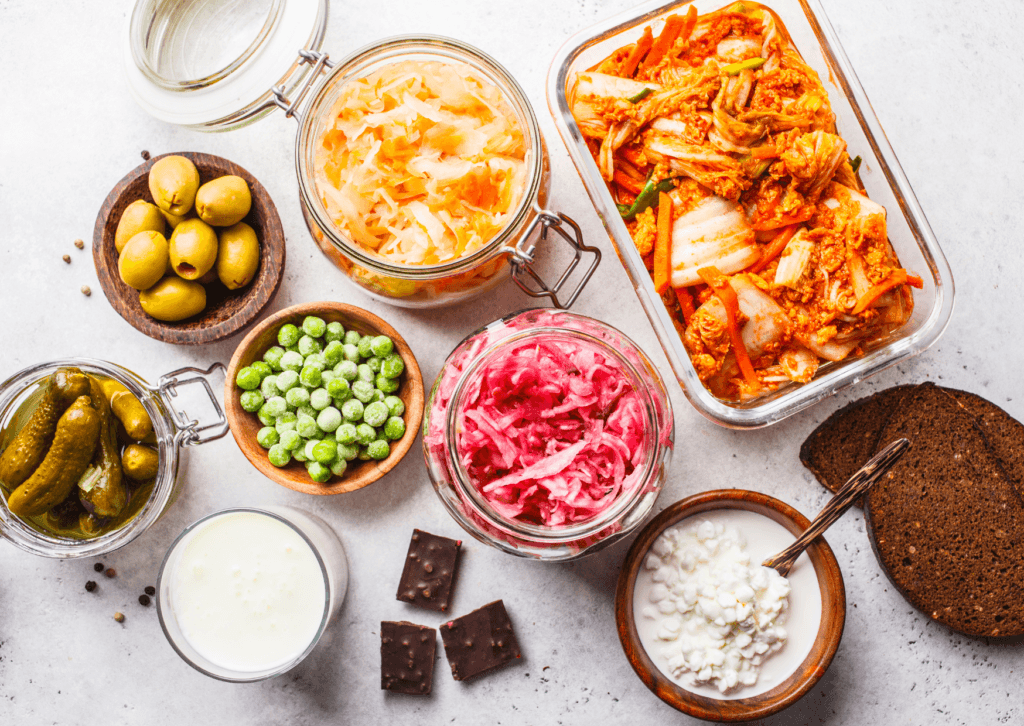
Yogurt: One of the most well-known sources, especially if it contains live or active cultures.
Kefir: A fermented milk drink that contains a variety of probiotic bacteria and yeasts.
Sauerkraut: Fermented cabbage that is rich in probiotics.
Kimchi: A Korean dish made from fermented vegetables, typically cabbage and radishes.
Miso: A Japanese seasoning made from fermented soybeans, often used in soup.
Tempeh: A fermented soybean product with a firm texture, rich in probiotics.
Pickles: Fermented cucumbers can be a good source, but ensure they are naturally fermented and not just pickled in vinegar.
Foods Rich in Prebiotics
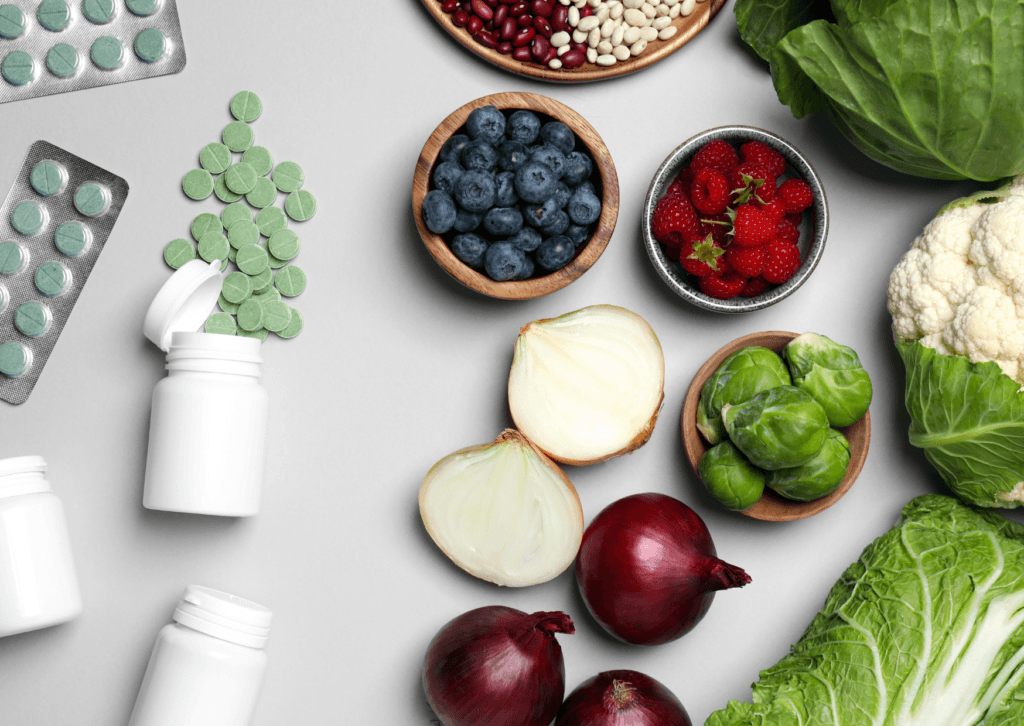
Garlic: Contains inulin, a type of prebiotic fiber.
Onions: Another good source of inulin and other prebiotic fibers.
Leeks: Similar to garlic and onions, rich in prebiotic fibers.
Asparagus: Contains inulin and helps stimulate the growth of probiotics.
Bananas: Rich in fiber and contain small amounts of inulin.
Chicory Root: One of the richest sources of inulin.
Whole Grains: Such as barley, oats, and wheat, which are high in prebiotic fibers.
Understanding the distinct roles of probiotics and prebiotics is key to optimizing your gut health. By incorporating foods rich in both into your diet, you can create a balanced environment in your digestive system that promotes the growth of beneficial bacteria, enhances digestion, and boosts your immune system. Embrace these nutritional powerhouses and enjoy the benefits of a healthier gut.
Watch our Free masterclass diving into our 3 Pillars of Gut health that you can implement today! https://chelseahainescoaching.ck.page/masterclass23-replay
Leave a Reply
READ
Featured