
Discover Quick Fixes: Say Goodbye to Acid Reflux and Bloating!
Do you ever feel that uncomfortable burning sensation in your chest after a meal? Or perhaps you find yourself bloated and gassy, regretting that last bite you took? If so, you’re not alone. These symptoms are commonly associated with acid reflux and post-meal bloat, and they can put a damper on your day if left unmanaged. But fear not, understanding these issues and how to tackle them can bring relief and comfort.
What is Acid Reflux?
Acid reflux, also known as heartburn, occurs when stomach acid flows back up into the esophagus. This can happen due to a variety of reasons, such as a weakened lower esophageal sphincter (the muscle that closes off the stomach from the esophagus), certain foods, or lifestyle factors like obesity and smoking.
When stomach acid travels up the esophagus, it can irritate the lining, leading to a burning sensation in the chest. It often occurs after eating, especially when lying down or bending over, and can be accompanied by symptoms like a sour taste in the mouth, difficulty swallowing, or a persistent cough.
Understanding Post-Meal Bloat
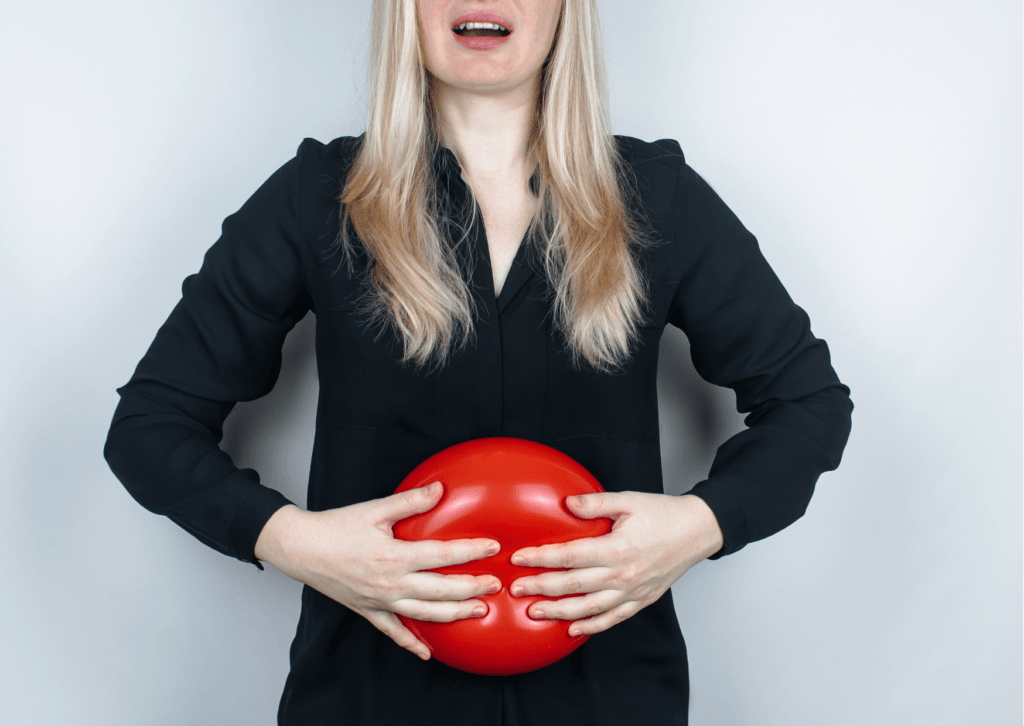
Post-meal bloat, on the other hand, is that uncomfortable feeling of fullness and tightness in the abdomen after eating. It can be caused by a buildup of gas in the digestive system, which may result from swallowing air while eating, consuming certain foods that are difficult to digest, or underlying digestive conditions like irritable bowel syndrome (IBS).
Bloating can be accompanied by symptoms such as excessive gas, belching, and abdominal discomfort. While it’s often temporary and resolves on its own, chronic bloating may indicate an underlying issue that needs to be addressed.
Managing Acid Reflux and Post-Meal Bloat
Watch What You Eat: Certain foods and beverages can trigger acid reflux and bloating. Spicy foods, citrus fruits, carbonated drinks, and fatty foods are common culprits. Keep track of what you eat and how it affects your symptoms, and try to avoid trigger foods.
Eat Smaller Meals: Overeating can put pressure on the stomach and increase the risk of acid reflux and bloating. Instead of three large meals, opt for smaller, more frequent meals throughout the day. This can help prevent overloading the digestive system.
Stay Upright After Eating: Lying down or bending over after a meal can worsen acid reflux symptoms. Stay upright for at least two to three hours after eating to allow gravity to help keep stomach acid where it belongs.
Stay Hydrated: Drinking plenty of water can help prevent constipation and promote healthy digestion, reducing the likelihood of bloating. However, avoid drinking large amounts of liquid with meals, as this can contribute to bloating and acid reflux.
Manage Stress: Stress can exacerbate digestive issues like acid reflux and bloating. Practice relaxation techniques such as deep breathing, meditation, or yoga to help manage stress and promote better digestion.
Consider Medications: Over-the-counter antacids and acid reducers can provide temporary relief from acid reflux symptoms. If symptoms persist, consult a healthcare professional for further evaluation and treatment options.
Acid reflux and post-meal bloat are common digestive issues that can cause discomfort and disrupt your daily life. By understanding the causes and adopting simple lifestyle changes, you can effectively manage these symptoms and enjoy meals without worry. Remember to listen to your body, make mindful food choices, and seek medical advice if symptoms persist or worsen. With the right approach, you can find relief and regain control of your digestive health.
Take our free gut assessment at this link.
Leave a Reply
READ
Featured